
- Regular Price
- $19.99
- Sale Price
- $19.99
- Regular Price
- $19.99
Sold Out
- Unit Price
- per

In a world that moves quickly, replacing things has become easier than caring for them. A loose button, a worn seam, a broken zipper — small signs of use often become reasons to discard what was once loved.
But there is another way.
Repairing is not about holding onto the past. It’s about respect — for craftsmanship, for materials, and for the quiet stories woven into what we wear. When a garment is repaired, it continues its journey with you. It ages with grace rather than being replaced by something new and forgettable.
At Kuttons, we believe good things should last. That belief shapes not only how our garments are made, but how we care for them long after they leave our studio.
Not long ago, clothing was treated very differently. Garments were purchased with intention, worn often, and repaired when needed. A missing button was stitched back. A seam was reinforced. Fabric patches were added with care.
Repair was a normal part of ownership — not a flaw, but a continuation of the garment’s life.
Today, fast production cycles and low-cost materials have changed expectations. Clothes are often made to be replaced, not maintained. This shift has made us forget that durability, repairability, and longevity were once markers of quality.
Choosing to repair instead of replace is a return to those values.

Textile waste is one of the fastest-growing environmental concerns globally. Millions of garments are discarded each year due to minor issues that could be fixed with simple repairs.
Repairing:
Extends the life of clothing
Reduces landfill waste
Lowers demand for constant new production
A repaired garment is one less garment thrown away.
A well-made garment carries the skill of the hands that created it. Every stitch, seam, and finish reflects hours of careful work.
Replacing a garment often means replacing craftsmanship with convenience. Repairing honors the original making — the time, precision, and care invested in it.
Clothes that stay with us longer become part of our story. They carry memories of places visited, days lived, and moments repeated.
A repaired garment often feels more personal than a new one. It becomes uniquely yours — shaped by time rather than trends.

“Made with care” is often used lightly. At Kuttons, it has a deeper meaning.
It means:
No shortcuts in construction
Fabrics chosen for longevity, not speed
Designs that are timeless, not seasonal
Garments created to be worn, repaired, and worn again
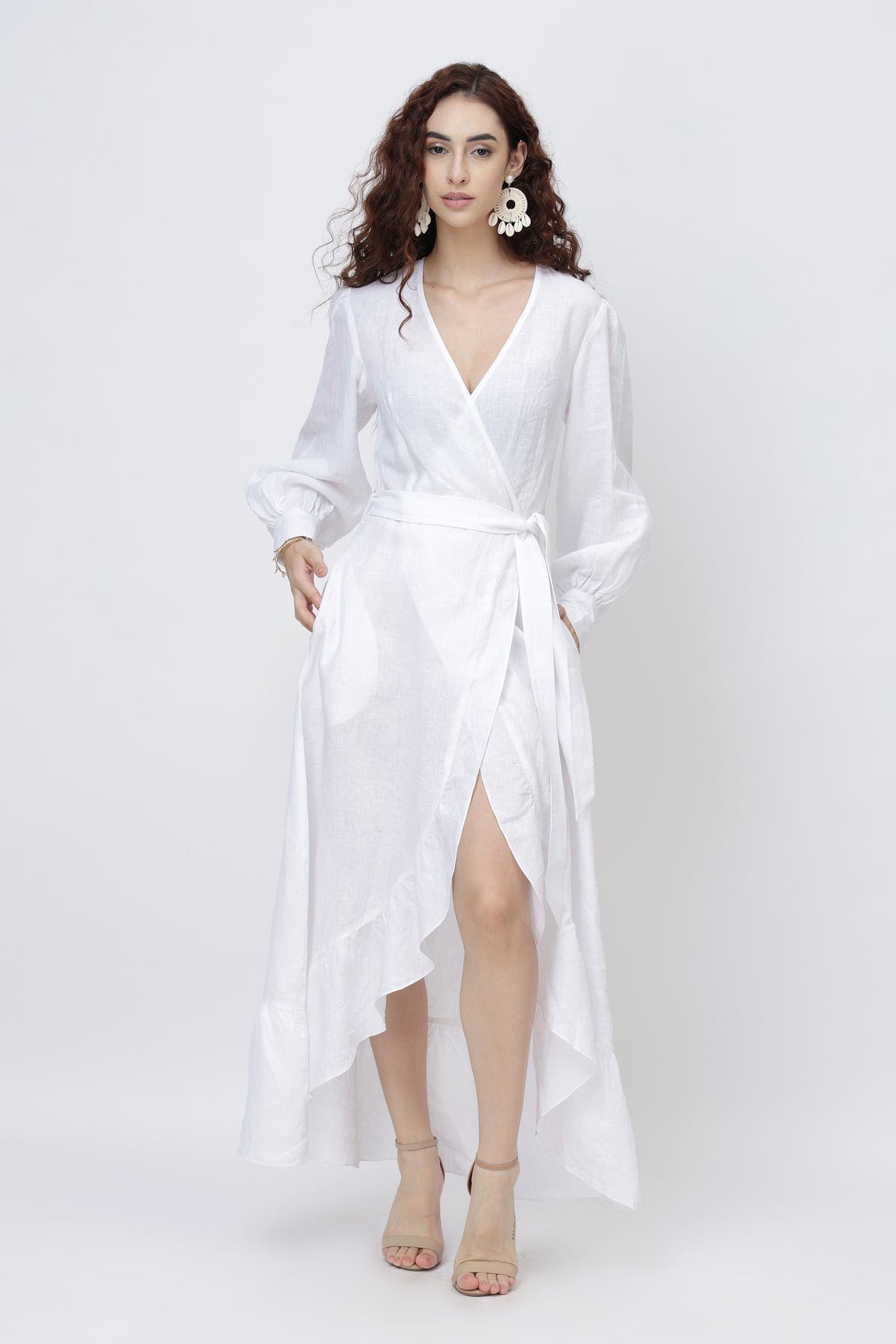
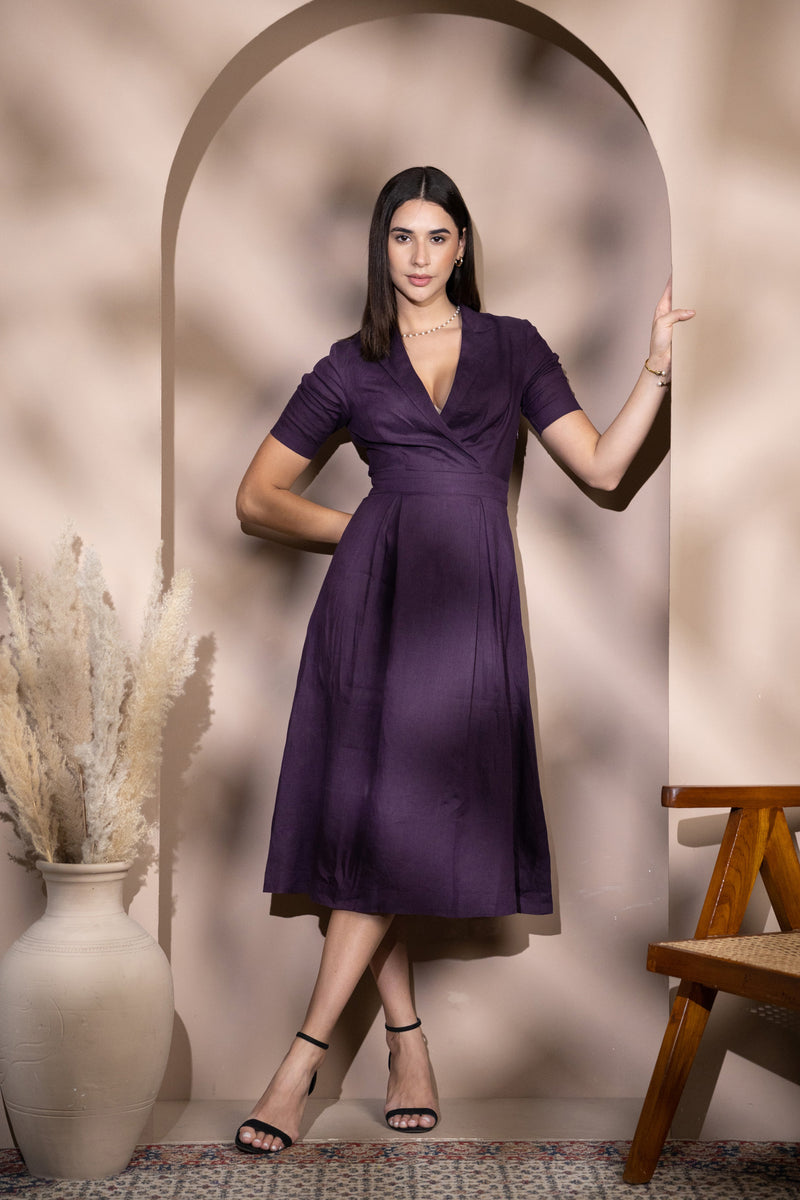
Our pieces are made from pure European linen — breathable, pre-washed, and selected to age beautifully. Linen strengthens with wear, softens over time, and responds well to careful mending.
This makes repair not just possible — but natural.
Clothing does not end at checkout.
If your Kuttons piece ever needs mending, we’re here.
Whether it’s:
A missing button
A broken zipper
Matching thread
Linen patches
Small repairs that restore function and beauty
We’ll provide what’s needed to bring your garment back to life — for just the cost of shipping.
Because we stand by every stitch.
Because good clothes deserve to last.
This commitment is not an add-on. It’s part of how we define quality.

Trends are designed to expire.
Repairable clothing must be designed differently. It needs silhouettes that feel relevant year after year, not styles that feel outdated in months.
That’s why we don’t follow fashion seasons.
We create timeless linen silhouettes — pieces that can be worn repeatedly, styled differently, and repaired when needed. This approach supports longevity, not replacement.
Repair only makes sense when the garment itself is worth keeping.
Overproduction creates excess — not value.
We believe in making fewer, better pieces:
Crafted to order
Made intentionally
Produced without unnecessary surplus
Repair fits naturally into this philosophy. When fewer garments are made, each one matters more. Each piece deserves care, attention, and continuation.
Repair is often misunderstood as compromise. In reality, it’s a quiet form of luxury.
True luxury:
Values longevity over novelty
Appreciates imperfection over sameness
Chooses intention over excess
A repaired garment reflects confidence — the confidence to keep what works instead of chasing what’s new.
When you know a garment can be repaired, you shop differently.
You ask:
Is this fabric strong?
Is this construction thoughtful?
Will this age well?
Is this worth keeping?
Repair encourages better buying decisions — and better relationships with what we own.
Repairing instead of replacing is not just a practical choice. It’s a value-driven one.
It reflects:
Respect for resources
Appreciation for human skill
A slower, more mindful approach to living
Every time a garment is repaired, it resists disposability. It becomes part of a more thoughtful way of consuming.

Repairing is an act of belief.
Belief that clothing can be more than temporary.
Belief that craftsmanship deserves respect.
Belief that fewer, better choices create lasting beauty.
At Kuttons, we don’t just make garments — we stand by them. From the first stitch to the years that follow, our commitment remains the same.
Because good things should last.
Repairing extends the life of garments, reduces waste, and preserves craftsmanship. It also encourages mindful consumption and reduces the environmental impact of constant replacement.
Yes. High-quality linen is durable and responds well to repairs. With proper stitching, patches, and care, linen garments can last for many years.
When done thoughtfully, repairs can blend seamlessly or even add character. Many people value the individuality that repair brings to a garment.
Simple fixes like buttons, loose seams, and small tears can often be repaired at home with basic tools. More complex repairs may require professional assistance.
Repair reduces textile waste, lowers demand for new production, and encourages longer use of existing garments — all key principles of sustainable fashion.






0 comments