
- Regular Price
- $19.99
- Sale Price
- $19.99
- Regular Price
- $19.99
Sold Out
- Unit Price
- per

Weather today is rarely predictable. Mornings can feel cool, afternoons warm, and evenings suddenly breezy. Seasonal transitions no longer arrive neatly on schedule — and our wardrobes often struggle to keep up. In this shifting climate, choosing the right fabric matters more than choosing the right trend.
The fabric closest to your skin determines how comfortable you feel, how well your body adapts to temperature changes, and how often you actually reach for a garment. This guide explores how different fabrics behave in changing weather, what to look for when shopping, and how to build a wardrobe that works across seasons without constant replacement.
Most people shop for clothing based on style, color, or fit. Fabric often becomes an afterthought — until discomfort appears.
When weather fluctuates, the wrong fabric can lead to:
Overheating in warm moments
Feeling cold when temperatures drop
Excess sweating or trapped moisture
Skin irritation or heaviness
The right fabric, however, adjusts with your body. It breathes when you’re warm, insulates when it’s cooler, and remains comfortable across a range of conditions.
As climates become less stable and daily routines more varied — commuting, working indoors, traveling, spending time outdoors — fabric versatility becomes essential.
Before exploring individual fabrics, it helps to understand the key qualities that make a fabric adaptable.
A breathable fabric allows air to circulate, helping regulate body temperature and reduce sweat buildup.
Some fabrics absorb moisture, while others wick it away. Both can be useful depending on climate and activity level.
Good all-season fabrics provide warmth without trapping heat — insulating gently rather than aggressively.
Lightweight fabrics with open weaves work better across seasons than dense, tightly woven materials.
Natural fibres generally respond better to temperature changes and feel more comfortable against the skin.
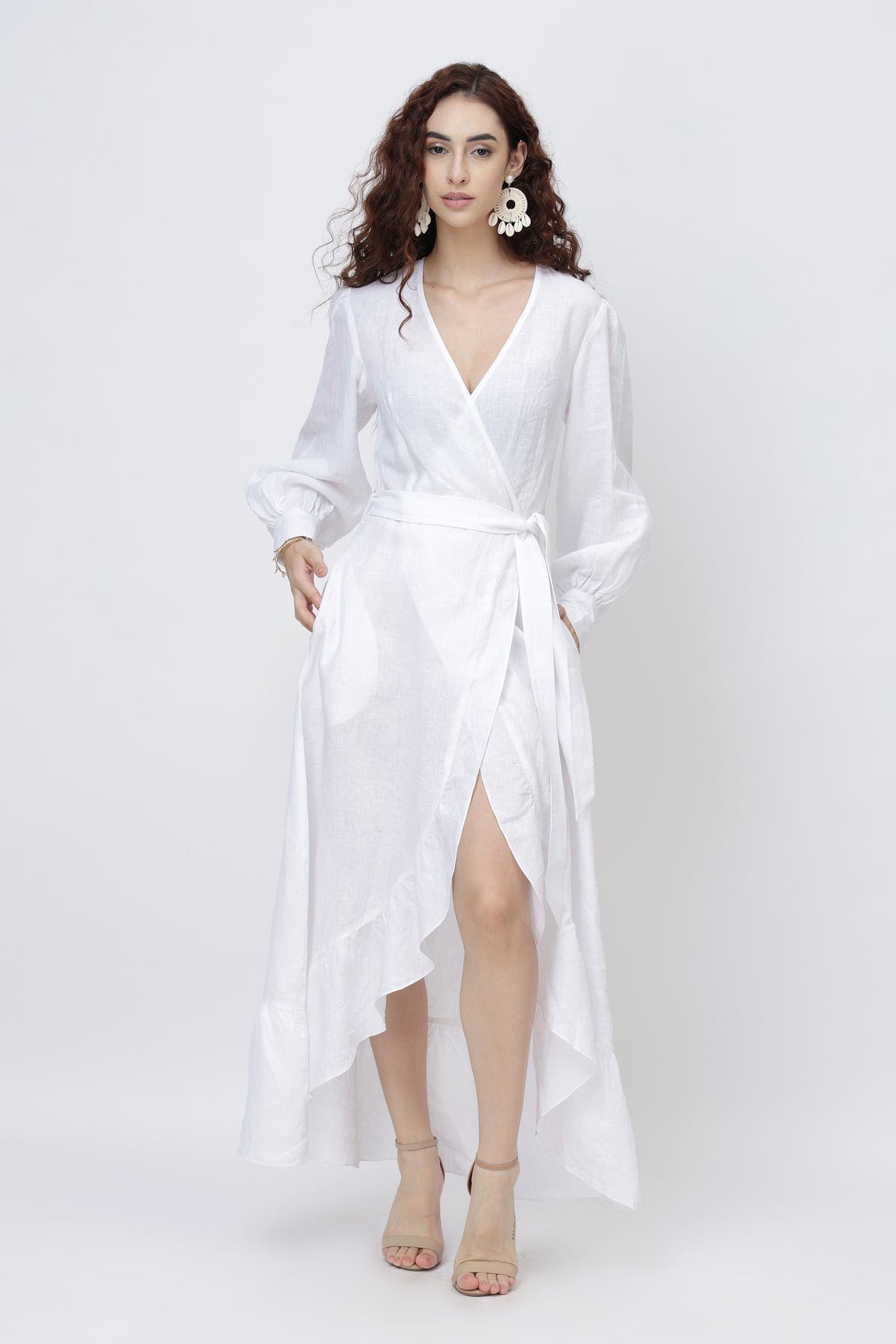
Often associated with summer, linen is one of the most adaptable fabrics for changing weather.
Linen fibres are hollow, allowing heat to escape when it’s warm
It absorbs moisture quickly and dries faster than cotton
When layered, linen provides gentle insulation in cooler conditions
Its loose weave allows constant airflow
Contrary to common belief, linen is not just for hot weather. Mid-weight linen works beautifully in spring, early autumn, and even mild winters when layered properly.
Travel-friendly outfits
Indoor-outdoor wear
Layering pieces

Cotton is widely loved for its softness and familiarity, but its performance varies with weather.
Breathable and gentle on skin
Comfortable in mild temperatures
Easy to care for
Absorbs moisture but dries slowly
Can feel heavy and cold when damp
Less effective in humid or unpredictable climates
Organic and lightweight cotton performs better than dense cotton in changing weather, especially when blended with breathable weaves.
Indoor wear
Mild weather outfits

Wool is often misunderstood as a winter-only fabric. In reality, fine wool is excellent for temperature regulation.
Wool fibres trap air, providing insulation when cold
They release heat and moisture when warm
Naturally odor-resistant
Can absorb moisture without feeling wet
Merino wool, in particular, works well for fluctuating temperatures due to its finer fibres.
Light layers
Outerwear in transitional seasons
Travel clothing

Fine animal fibres like pashmina and cashmere are prized for softness, but they also offer practical benefits.
Exceptional warmth-to-weight ratio
Breathable despite insulation
Ideal for layering rather than standalone warmth
These fabrics shine in unpredictable weather when used as shawls, wraps, or light layers that can be added or removed easily.
Evening layering
Travel accessories
Indoor-outdoor transitions

Synthetic fabrics such as polyester, nylon, and acrylic are often designed for durability and stretch — but they struggle with comfort in changing weather.
Lightweight
Wrinkle-resistant
Quick drying
Poor breathability
Traps heat and odors
Can feel uncomfortable during temperature swings
Blended fabrics (natural + synthetic) can offer improved performance, but fully synthetic garments are best avoided for daily wear in unpredictable climates.
Two garments made from the same fibre can behave very differently depending on:
Weave density
Finishing process
For example:
Lightweight linen adapts better than heavy linen
Open-weave cotton breathes better than tightly woven cotton
Fine wool performs better than thick wool in transitions
Understanding fabric construction helps you choose garments that work beyond a single season.
Instead of seasonal wardrobes, focus on layerable, breathable pieces.
Choose mid-weight natural fabrics
Prioritize layering over bulk
Invest in versatile silhouettes
Avoid overly synthetic materials
Look for garments that feel good indoors and outdoors
This approach reduces the need for constant shopping and makes dressing simpler year-round.
Travel exposes how important fabric choice really is.
The best travel fabrics:
Resist odor
Adapt to temperature shifts
Feel comfortable during long wear
Dry quickly after washing
Linen, fine wool, and lightweight cotton blends consistently perform better than synthetics in real-world travel conditions.
Choosing the right fabric isn’t just about comfort — it’s also about impact.
Natural fibres:
Biodegrade at end of life
Require fewer washes
Age better over time
Encourage long-term use
Buying fewer, better garments made from adaptable fabrics reduces waste and overconsumption.

Buying fabrics based only on season labels
Choosing heavy fabrics for mild climates
Ignoring breathability
Over-relying on synthetic blends
Not considering layering potential
Learning how fabrics behave helps avoid these mistakes.
Look beyond the name:
Fibre content percentage
Fabric weight (if available)
Weave type
Care instructions
A garment labeled “linen” or “wool” can still vary greatly in quality and performance.
Changing weather doesn’t require a constantly changing wardrobe. It requires better fabric choices.
When you understand how fabrics breathe, insulate, and respond to moisture, dressing becomes easier, more comfortable, and more intentional. Instead of fighting the weather, the right fabric adapts with you — quietly and reliably.
Choosing fabrics that work across conditions is not just practical. It’s a smarter, more sustainable way to dress.
Natural fabrics like linen and fine wool perform best because they regulate temperature and manage moisture effectively.
Yes. Mid-weight linen layered with knitwear or outer layers works well in cooler temperatures.
Cotton is comfortable in mild conditions but less effective in humidity or rapid temperature changes unless lightweight or blended.
They’re not ideal. Synthetics often trap heat and moisture, making them uncomfortable during temperature shifts.
Focus on breathable natural fabrics, layering pieces, and versatile silhouettes rather than seasonal trends.






0 comments