
- Regular Price
- $19.99
- Sale Price
- $19.99
- Regular Price
- $19.99
Sold Out
- Unit Price
- per

Winter changes more than the temperature — it changes how we dress, how we move, and how we feel in our clothes. As days grow shorter and air turns crisp, women’s winter clothing becomes less about trends and more about comfort, warmth, and thoughtful layering. But practical dressing doesn’t have to mean compromising on style.
A well-chosen winter wardrobe can feel calm, versatile, and quietly elegant. It supports your daily life — whether you’re commuting, working indoors, traveling, or enjoying slow weekends — while helping you stay warm without feeling bulky or restricted.
This guide explores women’s winter clothing from a practical and mindful perspective: fabrics that matter, layering techniques that work, essential winter pieces, and how to build a winter wardrobe that feels good to wear all season long.
Unlike summer clothing, winter wear works hardest. It must protect the body from cold, wind, and dryness while still allowing movement, breathability, and comfort indoors.
Poor winter clothing choices often lead to:
Overheating indoors
Feeling stiff or bulky
Skin irritation from synthetic fabrics
Buying too many items that don’t layer well
Thoughtful winter dressing focuses on quality over quantity, fabric performance, and timeless silhouettes that work year after year.
Fabric choice is the foundation of good winter clothing. The right materials regulate temperature, trap warmth, and stay comfortable throughout the day.
Wool is one of the most effective natural insulators. It traps heat while allowing moisture to escape, helping the body stay warm without overheating.
Common winter wool types include:
Merino wool (soft, fine, breathable)
Cashmere (lightweight, warm, luxurious)
Pashmina (exceptionally soft, refined warmth)
Wool blends (added durability and structure)
Wool is ideal for sweaters, coats, scarves, and winter dresses.
While cotton isn’t a primary insulator, it plays an important role in winter clothing when used correctly.
Cotton works best for:
Base layers worn indoors
Breathable inner tops
Comfortable everyday wear
In mild winters or indoor settings, linen can still have a place — especially when layered. Linen regulates temperature naturally and works well for women who move between indoor and outdoor spaces frequently.
Synthetic fabrics like polyester or acrylic are often used for affordability, but they can trap heat unevenly and feel uncomfortable over time.
They work best when blended thoughtfully with natural fibers rather than worn alone.

Layering is the key to staying comfortable throughout winter days that shift between cold outdoors and heated interiors.
1. Base Layer
Worn closest to the skin, this layer should be breathable and soft. Lightweight cotton or fine wool works best.
2. Insulating Layer
This layer traps warmth. Think sweaters, cardigans, knitted dresses, or light wool jackets.
3. Outer Layer
Your final layer protects against wind and cold. Coats, structured jackets, or shawls belong here.
Layering allows flexibility — removing or adding warmth without changing your entire outfit.

A functional winter wardrobe doesn’t need dozens of items. A few well-chosen pieces can create many outfits.
Sweaters form the backbone of winter clothing. Look for:
Natural fibers
Relaxed but flattering fits
Neutral colors that layer easily
Chunky knits for outdoors and fine knits for indoor wear create balance.
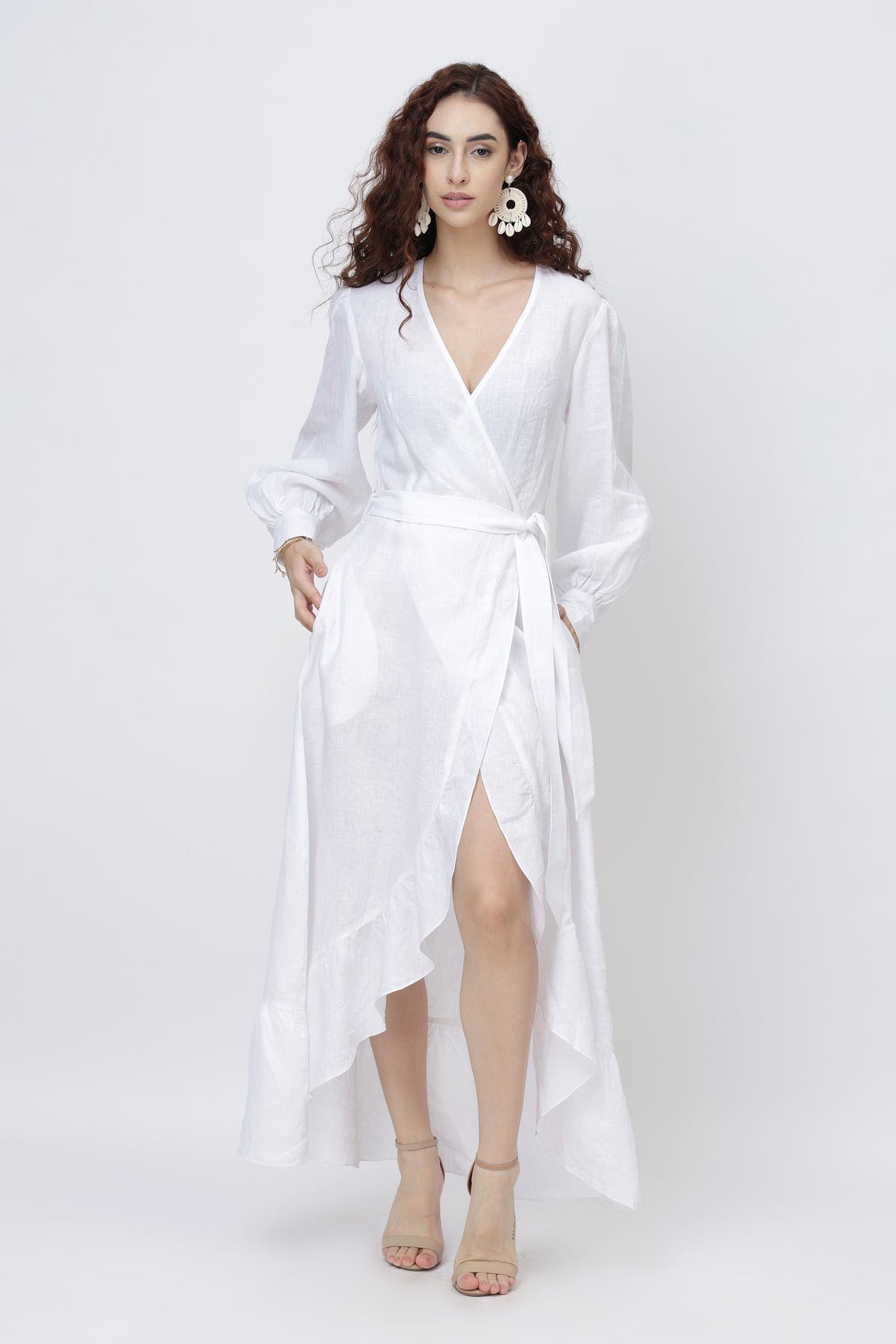
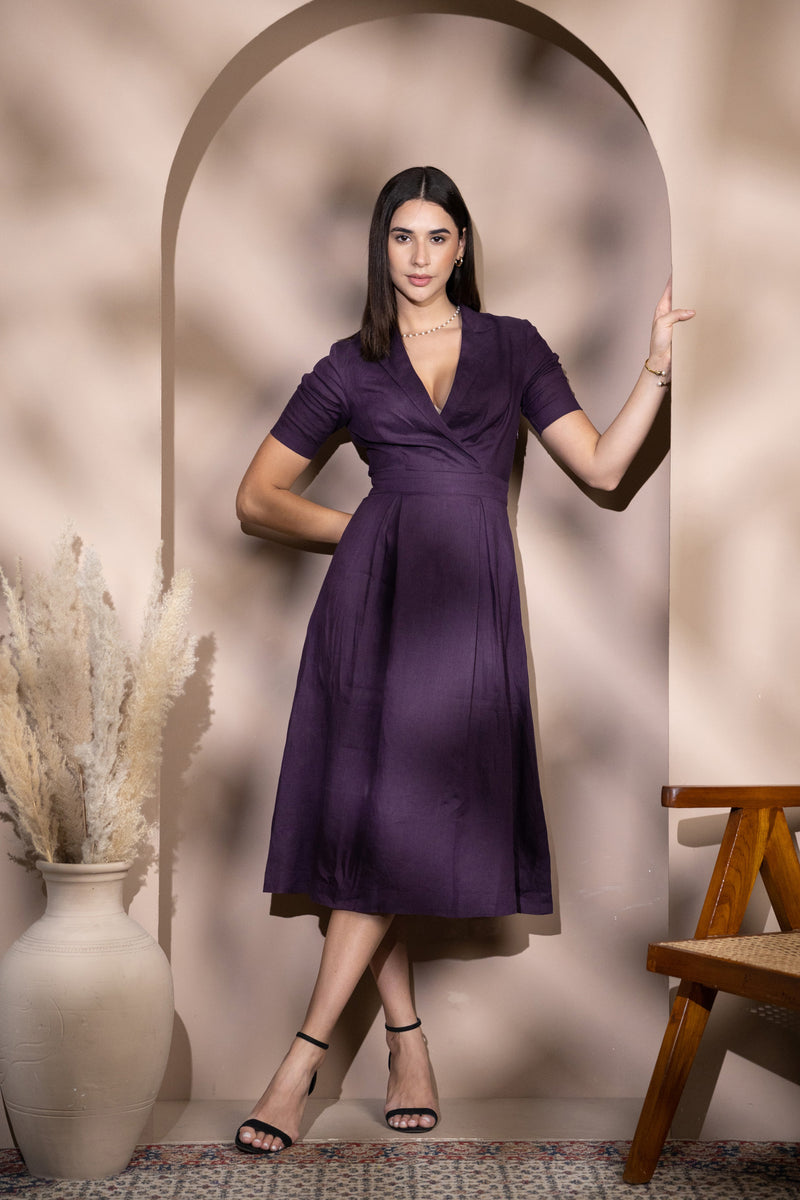
Winter dresses offer comfort and elegance without extra effort. When made from breathable fabrics, they feel effortless and refined.
Ideal winter dresses:
Long-sleeve wool or blended dresses
Midi or ankle lengths
Easy silhouettes that layer with coats or scarves
A good winter coat should feel like a long-term investment.
Popular winter coat styles include:
Wool overcoats
Structured long jackets
Lightweight padded coats for extreme cold
Choose neutral tones that pair easily with different outfits.
Comfort matters most in winter bottoms.
Options include:
Wool-blend trousers
Relaxed cotton pants
Layered skirts with tights
Avoid overly tight fits that restrict warmth and movement.
Accessories are essential to winter comfort.
A well-made scarf or shawl:
Adds warmth without bulk
Protects the neck and chest
Elevates even simple outfits

Winter clothing should allow movement and airflow between layers. Tight fits often feel colder and more restrictive.
Good winter fit principles:
Leave space for layering
Avoid overly snug armholes
Choose relaxed silhouettes that drape naturally
Comfortable fit directly affects how warm and confident you feel.
Office winter clothing should balance warmth and polish.
Fine knit sweaters
Tailored trousers
Structured coats
Travel-friendly winter clothing focuses on breathability and layering.
Wrinkle-resistant fabrics
Lightweight warmth
Easy-to-remove layers
Comfort takes priority at home.
Soft knits
Breathable cotton layers
Loose silhouettes

Fast fashion has made winter shopping overwhelming — but mindful choices lead to better wardrobes.
Focus on:
Fewer, better-quality garments
Natural fabrics that last
Timeless colors and shapes
Repairing and re-wearing pieces
A sustainable winter wardrobe feels calmer, more personal, and more reliable.

Proper care extends the life of winter garments.
Basic tips:
Air wool instead of washing frequently
Fold sweaters instead of hanging
Store winter clothing in breathable bags
Avoid excessive heat when cleaning
Good care keeps fabrics soft and wearable for years.
True winter style isn’t about layering trends — it’s about how clothing feels when worn all day. When clothes are warm, breathable, and well-fitted, confidence follows naturally.
Comfort allows you to focus on your day instead of adjusting your outfit. And when comfort meets thoughtful design, winter clothing becomes something you enjoy wearing, not just endure.
Women’s winter clothing works best when it’s intentional. Choosing the right fabrics, layering smartly, and investing in versatile pieces creates a wardrobe that feels warm, functional, and quietly stylish.
Rather than chasing trends, winter dressing is about building a collection of clothing that supports your daily life — season after season.
Natural fabrics like wool, cashmere, and cotton blends are ideal. They provide warmth, breathability, and long-term comfort.
A small, well-curated winter wardrobe of 10–15 versatile pieces can create many outfits through layering.
Yes. Layering allows temperature control and prevents overheating indoors.
Choose fine natural fibers, relaxed fits, and structured layering instead of thick, heavy garments.
Stick to neutral colors, quality fabrics, and clean silhouettes. Simplicity often looks more refined.






0 comments