
- Regular Price
- $19.99
- Sale Price
- $19.99
- Regular Price
- $19.99
Sold Out
- Unit Price
- per

We all love clothes that make us look good. But what if your outfit could also help the planet? That’s exactly what European linen does. In today’s world of fast fashion, choosing eco-friendly fabrics has become more important than ever. Among the many options, European linen stands out as one of the most sustainable fabrics in the world.
But what makes it so special? Why is it better than cotton, polyester, or other materials? Let’s break it down in the simplest way possible.
European linen is made from the flax plant, which grows naturally in cool European climates — especially in countries like Belgium, France, and the Netherlands. The linen produced here is known for its quality, durability, and eco-friendly processing methods.
It’s different from other types of linen because it follows stricter European farming rules and better environmental practices.
Let’s compare linen and cotton:
Cotton requires large amounts of water to grow — one cotton T-shirt can take 2,700 liters of water!
Flax (used for linen), on the other hand, grows naturally with rainwater and needs almost no irrigation.
So when you wear linen, you're saving water.
Most cotton and synthetic materials are grown or made with harmful pesticides or chemical dyes that pollute the environment.
But European linen is different. It is:
Grown with minimal or no pesticides.
Processed with natural methods like retting (using dew, not chemicals).
Often dyed with non-toxic or plant-based dyes.
This means less pollution and cleaner fashion.
Here’s a cool fact: every part of the flax plant is used.
The stalk makes linen fabric.
The seeds are used in health products (flaxseed).
The leftover bits are used in paper, insulation, or compost.
That’s called zero-waste manufacturing. Unlike many synthetic fabrics, nothing goes to waste with linen.
Imagine this: you throw away a linen dress after years of use. In a few months, it naturally breaks down into the earth.
Now imagine throwing away a polyester top — it sits in a landfill for up to 200 years!
Linen is 100% biodegradable and compostable. So even after its life, it doesn’t harm the earth.
Linen is stronger than cotton and doesn’t lose its quality over time. In fact, the more you wear and wash linen, the softer it gets.
This means:
You buy less often.
You waste less.
Your wardrobe becomes timeless and sustainable.
Much of European linen is produced by small-scale farmers using traditional, ethical practices passed down for generations. When you choose linen clothing from brands like Kuttons, you’re not just buying fashion — you’re supporting rural communities and slow fashion.
European linen often comes with certifications like:
OEKO-TEX®: Free from harmful chemicals
European Flax®: Guaranteed traceability and eco-friendly origin
These are proof that your clothes are kind to both your skin and the planet.
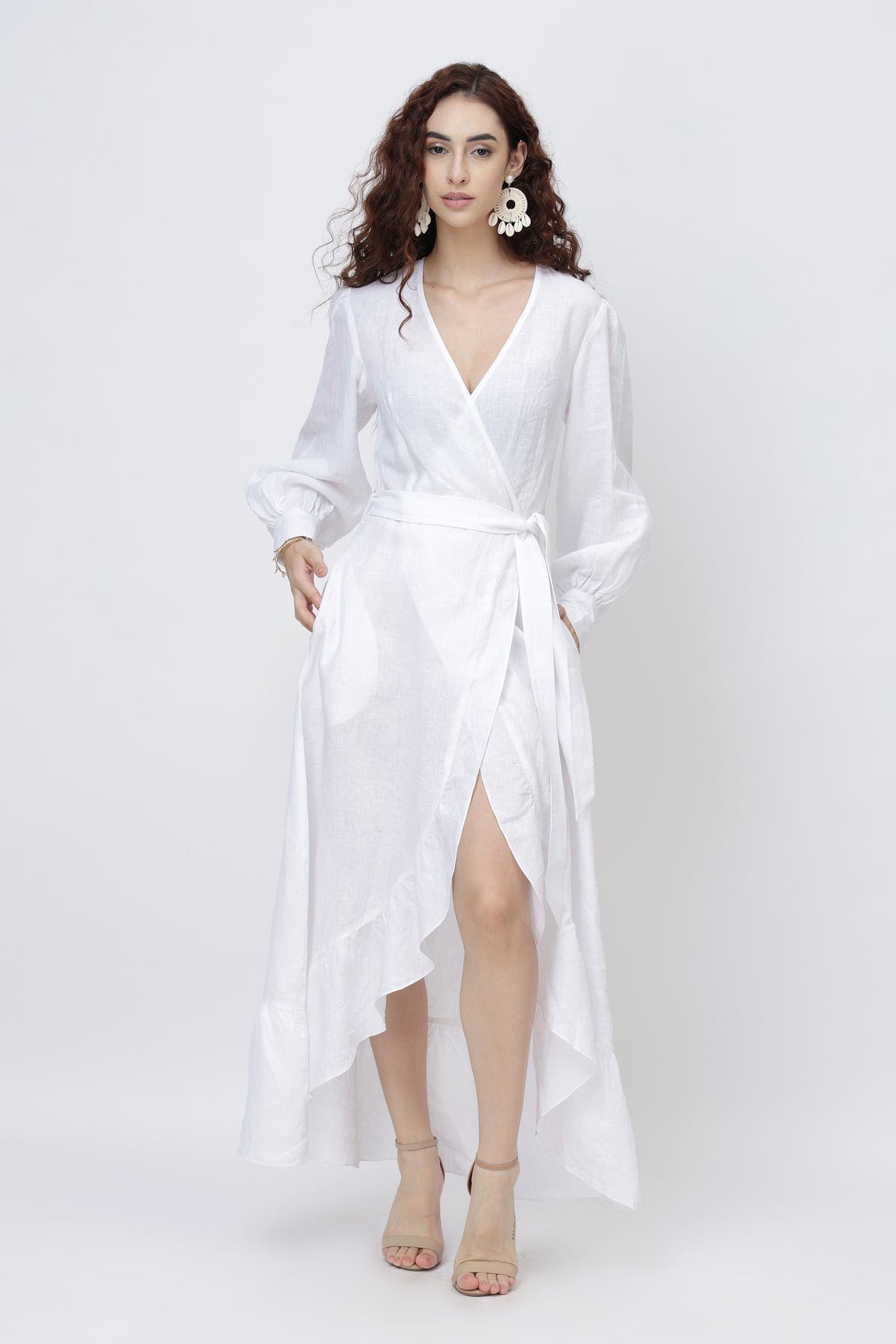
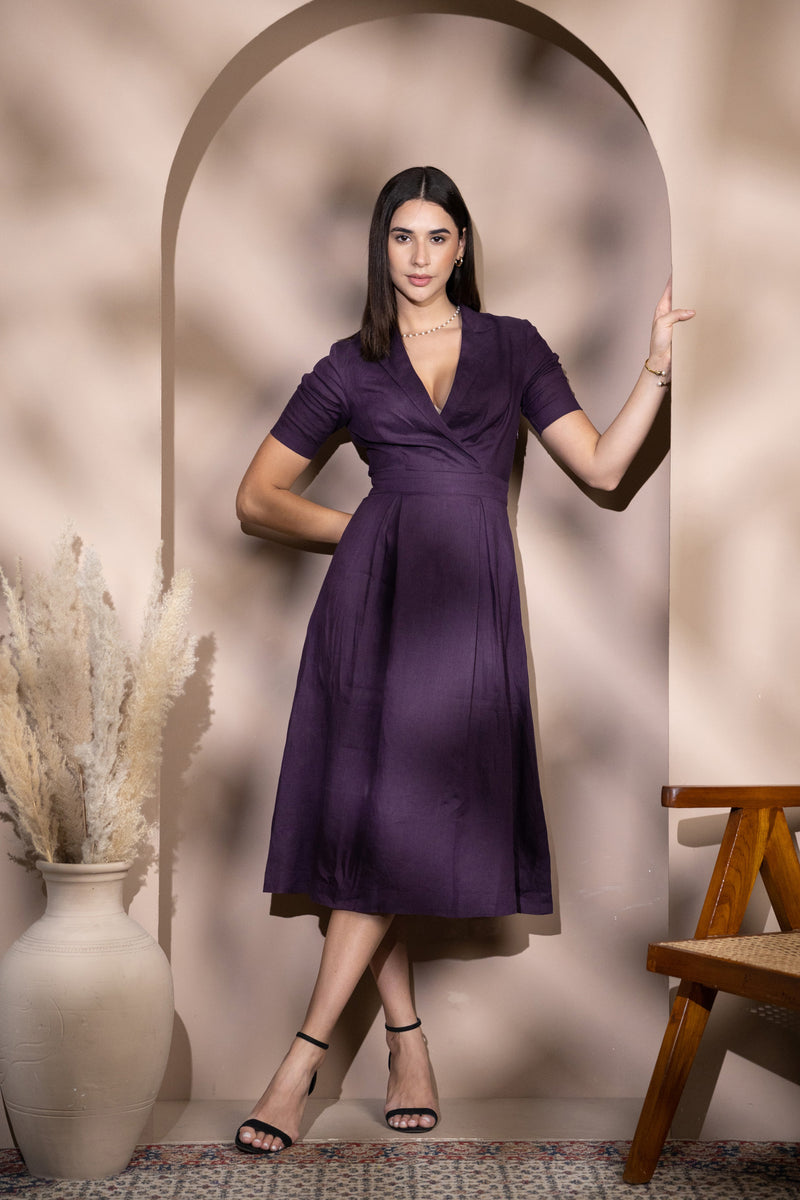
At Kuttons, we buy only OEKO-TEX® and European Flax® certified linen, so you know that you are getting the most authentic and best quality linen fabric for your dress.
As a modern woman, you care about more than just fashion. You care about where your clothes come from, how they’re made, and the impact they have.
European linen is a natural choice:
It’s breathable and soft.
It’s beautiful and elegant.
And most importantly — it aligns with your values.
Fashion doesn’t have to cost the Earth.
By choosing European linen, you’re:
Reducing water waste
Avoiding toxic chemicals
Supporting ethical production
Choosing a fabric that lasts longer and feels better
At Kuttons, we believe every woman deserves to feel confident in what she wears — and proud of how it’s made. So the next time you shop, remember:
👉 Linen isn’t just a fabric. It’s a movement toward a better future.






0 comments