
- Regular Price
- $19.99
- Sale Price
- $19.99
- Regular Price
- $19.99
Sold Out
- Unit Price
- per

Linen was first used over 30,000 years ago, making it one of the oldest textiles known to humanity.
Early civilizations used linen made from flax fibers for clothing, burial shrouds, and household textiles, valuing it for its strength, breathability, and natural elegance.
In an age of fast fashion and synthetic fibers, linen stands apart.
Not because it is new — but because it is ancient.
Linen has been worn, woven, and valued for thousands of years across civilizations. Its continued relevance today is a testament to its natural performance, durability, and timeless beauty.
Understanding when linen was first used helps us understand why it is still chosen by conscious women today.
The earliest evidence of linen dates back to around 30,000 BCE.
Archaeologists discovered twisted flax fibers in prehistoric caves in present-day Georgia (Eastern Europe), suggesting early humans were already spinning and weaving flax into thread.
These early forms of linen were used for:
Basic clothing
Rope and cord
Protective textiles
Even in its most primitive form, flax proved strong and adaptable.
Ancient Egyptians were the first civilization to widely use linen as clothing.
Linen became central to Egyptian life because:
It stayed cool in hot desert climates
It symbolized purity and cleanliness
It was breathable and lightweight
Pharaohs, priests, and nobility wore fine linen garments, while coarser linen was used for everyday wear.

Linen in Egypt was more than fabric — it was a symbol of status and spirituality.
Mummies were wrapped in linen burial cloths
Temples used linen for sacred rituals
Fine linen indicated wealth and social rank
The finer the linen, the higher the status.
This early association with quality and refinement still follows linen today.
After Egypt, linen production spread through trade and cultural exchange.
Mesopotamia – Used linen for garments and domestic textiles
Ancient Greece – Preferred linen for summer clothing and armor padding
Roman Empire – Popularized linen across Europe for tunics and home textiles
Medieval Europe – Linen became essential for shirts, undergarments, and household use
By the Middle Ages, linen was a household staple across Europe.

By the 12th century, Europe had become the world’s leading linen producer.
Regions with ideal climate and soil — especially in France, Belgium, and the Netherlands — developed advanced flax-growing and weaving techniques.
These regions laid the foundation for what we now call European linen.
Traditional linen production was a long, labor-intensive process:
This slow process ensured:
Strong fibers
Long-lasting fabric
Minimal waste
Modern linen still follows the same fundamental steps — refined, not replaced.
During the Industrial Revolution:
Cotton became cheaper and faster to produce
Synthetic fibers emerged in the 20th century
Linen, which requires patience and craftsmanship, temporarily lost popularity.
However, its environmental advantages and natural performance led to its revival in modern sustainable fashion.

Linen remains relevant because it naturally does what modern fabrics try to imitate.
Linen offers:
Breathability
Moisture control
Temperature regulation
Longevity
It requires fewer resources than cotton and outperforms synthetics in comfort and sustainability.
Yes. Linen is considered a luxury fabric due to its heritage, durability, and craftsmanship.
High-quality linen:
Uses long-staple flax fibers
Becomes softer with time
Maintains structure and elegance
This is why premium brands continue to choose linen for timeless clothing.
The same qualities valued thousands of years ago still matter today:
Comfort in warm climates
Natural elegance
Longevity over trends
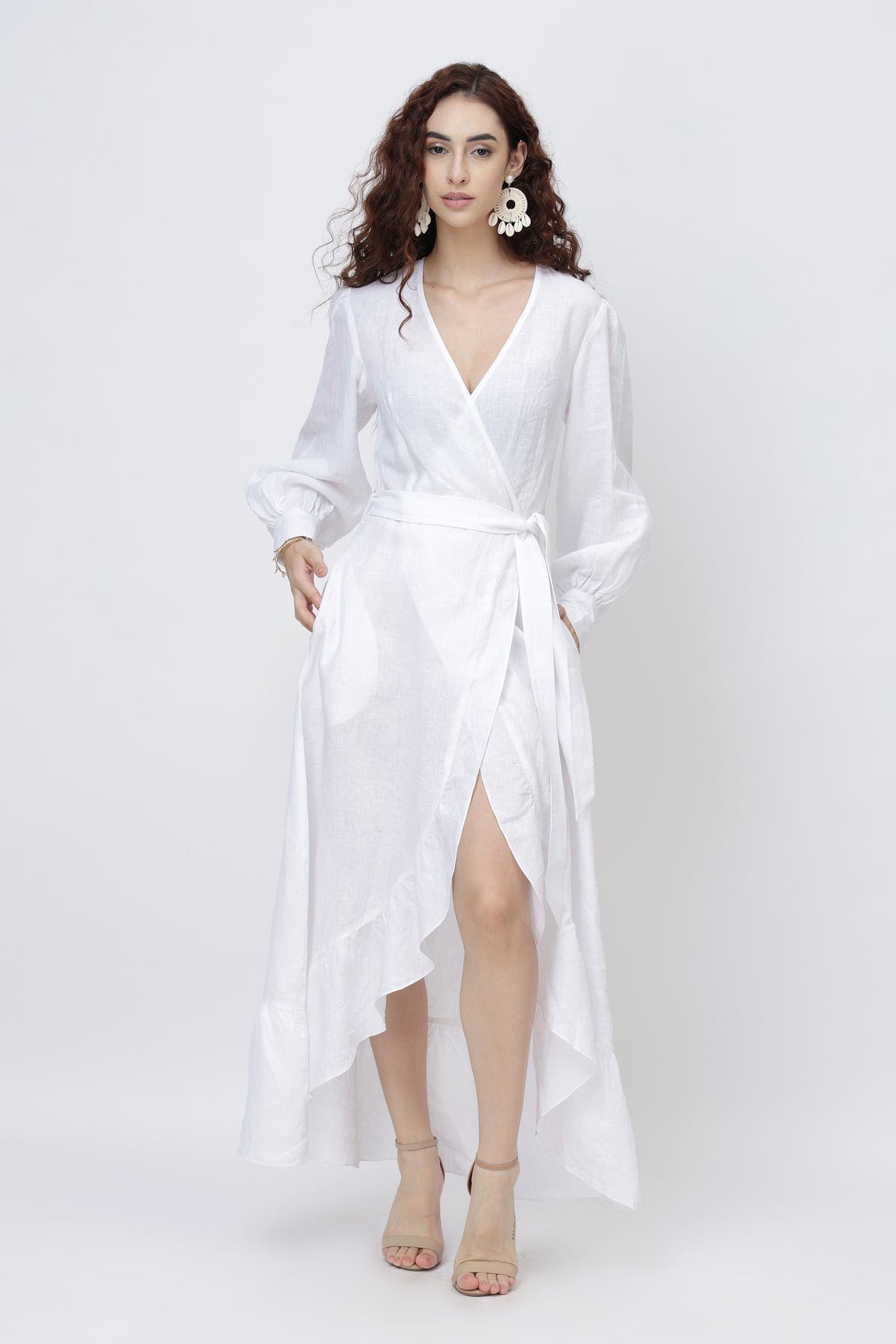
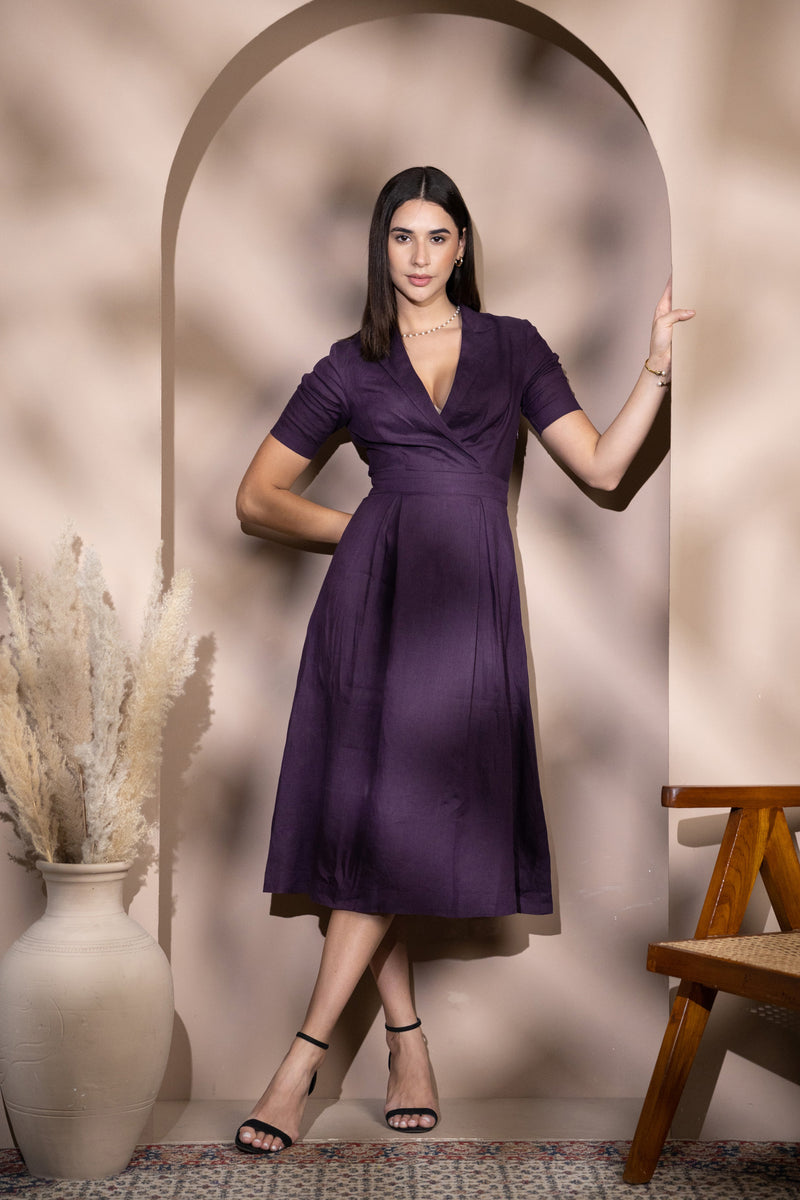
Modern linen dresses reflect:
Ancient wisdom
Modern design
Conscious living
At Kuttons, we work with certified European linen, honoring a textile tradition that spans millennia.
Our approach reflects:
Respect for heritage
Conscious sourcing
Calm, enduring design
European fabric, thoughtfully crafted in India — for women who value substance over noise.

Linen was first used over 30,000 years ago.
Ancient Egypt was the first to widely use linen for clothing.
Yes. Linen predates cotton by thousands of years.
Because it was breathable, durable, and suitable for hot climates.
Linen has survived prehistoric times, empires, and industrial revolutions — not by chance, but by merit.
Its continued presence in modern wardrobes is proof that true quality never goes out of style.






0 comments