
- Regular Price
- $19.99
- Sale Price
- $19.99
- Regular Price
- $19.99
Sold Out
- Unit Price
- per

In a world where fashion trends change rapidly, color remains one of the most powerful and enduring elements of style. While bold runway shades and trend-driven hues may dominate for a season, nature inspired color palettes consistently return as timeless foundations in clothing design. From earthy neutrals to ocean blues and botanical greens, nature continues to influence how we choose, combine, and experience color in fashion.
But how does nature inspire a color palette, and why are color palettes inspired by nature so relevant in modern wardrobes — especially in sustainable fashion?
The answer lies in harmony, balance, and authenticity. Nature’s colors coexist organically. The muted brown of soil blends effortlessly with olive leaves. The soft beige of sand complements the deep blue of the sea. These combinations are not forced; they are naturally cohesive. When translated into clothing, they create wardrobes that feel calm, wearable, and seasonless.
In this comprehensive guide, we will explore:
How nature inspires harmonious color combinations
The psychology behind natural tones
Popular nature inspired color palettes in fashion
Why earthy colors align with sustainable clothing
How to build a timeless wardrobe using nature-based shades
How brands like Kuttons can incorporate these palettes strategically
Nature offers a complete masterclass in color harmony. Designers often draw inspiration from landscapes, seasons, and organic textures to develop cohesive collections.
The principles behind this inspiration relate closely to Color theory, which explains how colors interact and balance each other. Nature naturally applies these principles:
Complementary contrasts (blue ocean against golden sand)
Analogous shades (various tones of green in a forest)
Neutral grounding tones (stone, clay, bark, and soil)
Because these colors coexist in real environments, they feel instinctively balanced when used in clothing.
Unlike artificial or neon tones, colors drawn from nature rarely overwhelm. Instead, they provide subtle depth, texture, and emotional resonance.

Trends are temporary. Nature is constant.
Earth tones, muted greens, and coastal blues have existed for centuries. They do not rely on cultural fads or social media hype. This makes them especially powerful in building long-lasting wardrobes.
Nature-inspired palettes offer:
Versatility – They mix effortlessly.
Seasonal flexibility – Rust in autumn, sage in spring, sand in summer.
Longevity – They remain relevant year after year.
Wearability – They suit a wide range of skin tones and personal styles.
For brands focusing on natural fabrics such as linen or pashmina, these palettes feel authentic rather than manufactured.
Colors evoke emotional responses, and natural tones tend to create feelings of comfort and balance.
According to concepts explored in Color psychology:
Green symbolizes growth, renewal, and calm.
Blue evokes trust, serenity, and openness.
Brown and beige communicate warmth, stability, and grounding.
Rust and clay tones suggest creativity and connection to earth.
Soft off-whites represent simplicity and purity.
When customers search for “color palettes inspired by nature,” they are often seeking these emotional qualities — not just aesthetic appeal.
This emotional connection is particularly important in sustainable fashion, where purchasing decisions are often value-driven.
Earth tones are among the most recognizable nature inspired color palettes. Inspired by soil, clay, and rock formations, they include:
Terracotta
Burnt sienna
Olive green
Warm beige
Deep brown
Mustard
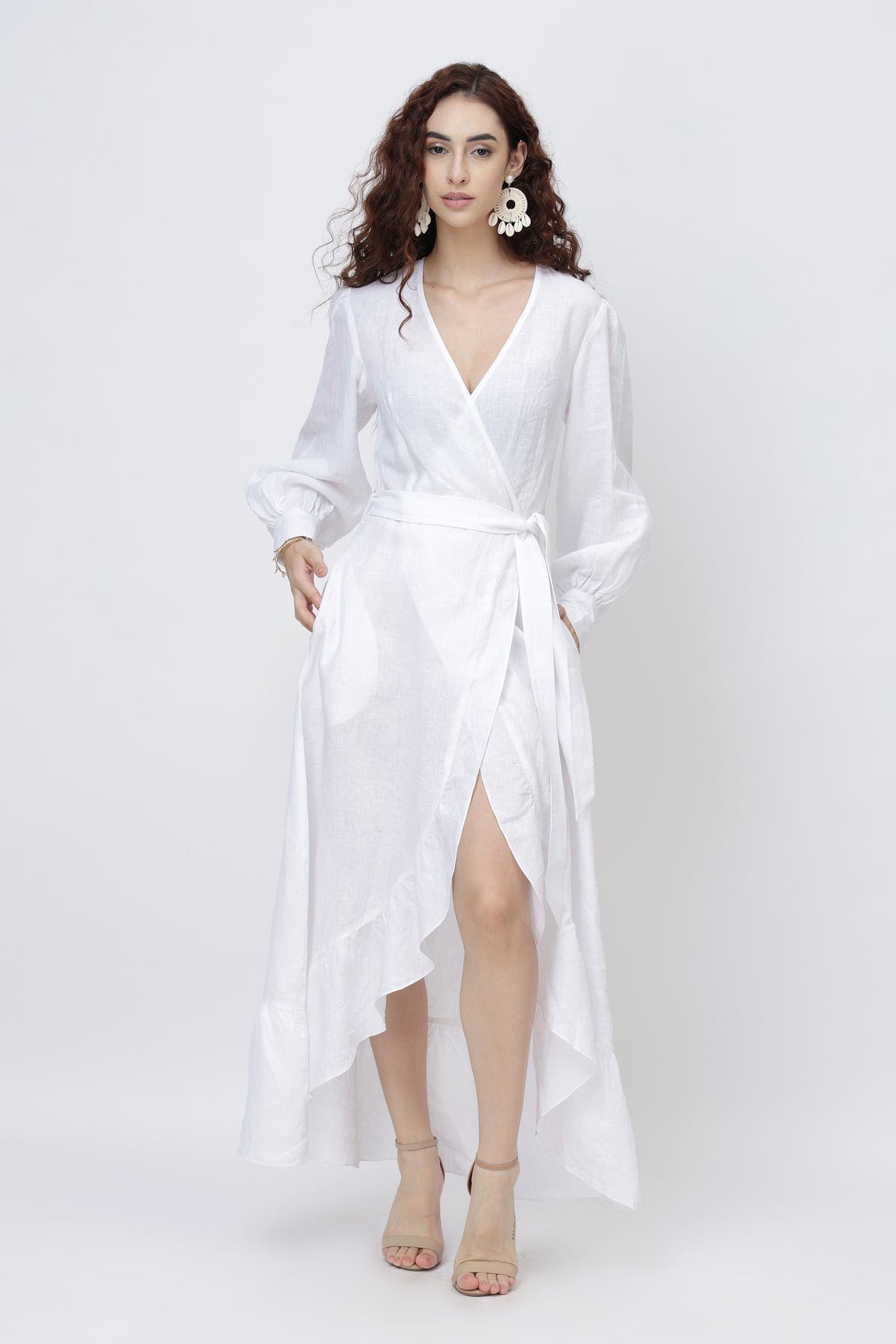
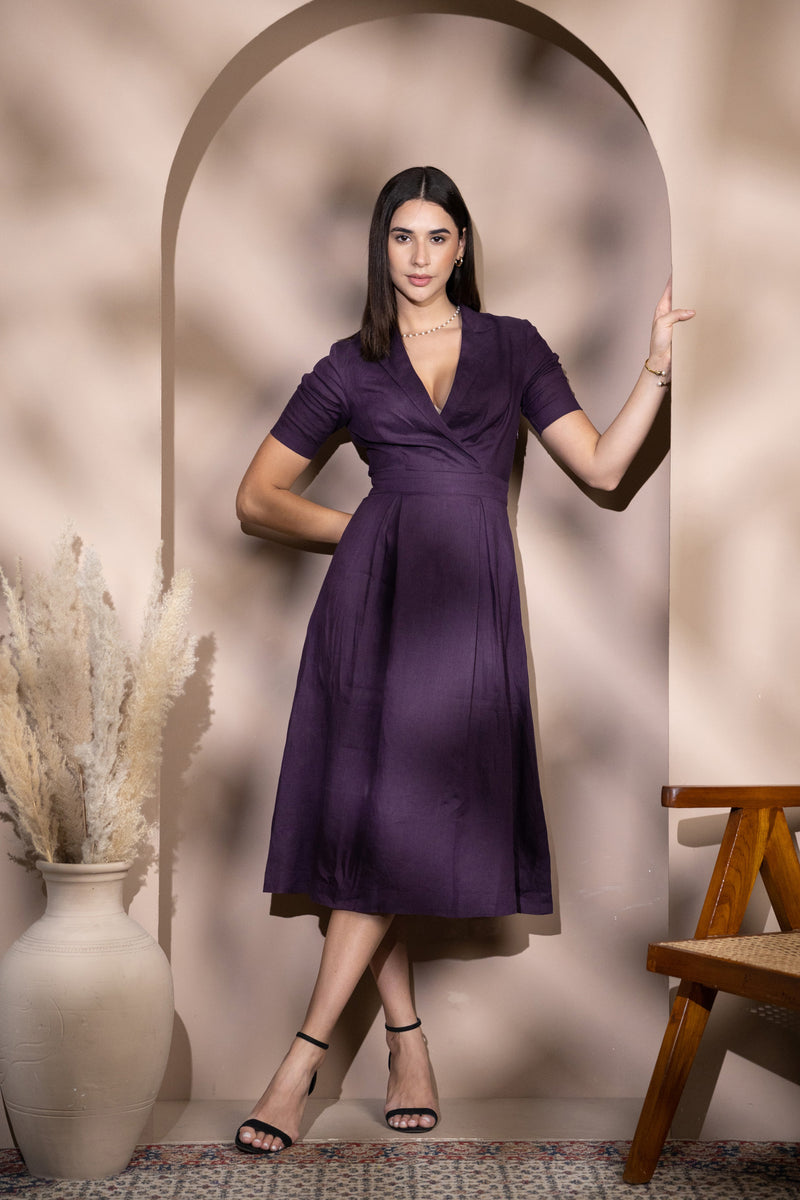
These shades work beautifully in natural fabrics. Linen, for example, absorbs earthy pigments in a way that feels soft and organic rather than overly saturated.
Inspired by the sea and coastline, this palette includes:
Deep navy
Soft sky blue
Seafoam green
Sandy beige
Driftwood gray
Ocean tones communicate breathability and calm — making them ideal for summer collections and lightweight fabrics.
Linen garments in coastal hues reinforce the connection between material and mood, especially when styled in natural lighting.
Forest palettes emphasize layered greens and organic depth:
Sage
Moss
Pine
Deep emerald
Muted brown
Green, as a color, aligns naturally with sustainability. When paired with eco-conscious messaging, it reinforces authenticity.
This palette is particularly effective in capsule wardrobe collections, where pieces are meant to mix and repeat seamlessly.

Desert landscapes and sunsets inspire warm, dusty hues:
Dusty rose
Clay orange
Warm nude
Golden sand
Muted coral
These shades feel expressive yet grounded, making them suitable for statement pieces that remain wearable.
There is a strong link between sustainability and natural color palettes.
Fabrics like linen — derived from the Flax plant — inherently pair well with muted, earthy tones. The texture of linen softens pigment, creating depth without artificial shine.
Brands focused on sustainability often prefer:
Undyed natural linen
Plant-based dyes
Mineral-inspired shades
Muted neutrals
This reduces heavy chemical processing and strengthens environmental messaging.
For customers wondering how to apply this concept practically, the process can be simple and intentional.
Build a base using:
Beige
Cream
Soft gray
Warm taupe
These shades anchor a wardrobe and allow layering flexibility.
Introduce color gradually:
Olive green
Rust
Dusty rose
Deep blue
Because these shades originate in nature, they rarely clash.
Natural color palettes work best when paired with natural materials such as:
Linen
Fine wool
The texture enhances the depth of earthy hues.

Fast fashion often relies on bold, temporary colors to drive impulse purchases.
Nature inspired color palettes encourage:
Repeated wear
Easy outfit combinations
Long-term relevance
Reduced overconsumption
Because these tones are seasonless, garments remain wearable for years.
This directly supports sustainable fashion goals by minimizing wardrobe turnover.
Platforms like Instagram and Pinterest have amplified interest in earthy, organic styling.
However, effective content should not rely on short, fragmented statements or repetitive buzzwords. Instead, cohesive storytelling works best.
High-quality brand storytelling might include:
Seasonal color narratives inspired by landscapes
Outdoor lifestyle photography showing garments in natural settings
Educational posts explaining how nature inspires each collection
Behind-the-scenes content highlighting fabric texture and craftsmanship
Nature inspires color palettes through naturally harmonious combinations found in landscapes, seasons, and organic elements. Designers translate these balanced tones into cohesive fashion collections.
They include earth tones, ocean blues, forest greens, desert neutrals, and soft botanical hues.
They feel timeless, calming, versatile, and sustainable. They also align well with natural fabrics.
Yes. Their versatility allows garments to mix easily, reducing the need for excessive pieces.
Natural fibers like linen, cotton, wool, and pashmina best complement earthy tones due to their texture and matte finish.
A nature inspired color palette is more than a design trend — it is a philosophy rooted in harmony, authenticity, and longevity.
By observing how colors coexist in forests, oceans, deserts, and skies, designers create wardrobes that feel balanced and intentional. These palettes support sustainable values, encourage repeat wear, and help customers build timeless collections rather than chasing fleeting trends.
For brands like Kuttons, embracing color palettes inspired by nature strengthens:
Sustainability messaging
Fabric authenticity
Long-term brand identity
Customer trust
Nature does not rush, yet everything is accomplished. When fashion follows that rhythm, it creates clothing that lasts — visually, emotionally, and ethically.






0 comments