
- Regular Price
- $19.99
- Sale Price
- $19.99
- Regular Price
- $19.99
Sold Out
- Unit Price
- per

If you’ve ever held a piece of linen and admired its texture, breathability, and softness, you may have wondered: “Is linen a natural fabric or is it synthetic?”
In a world where so many fabrics are chemically made or blended with plastic-based fibers, it’s a valid question — and an important one, especially for conscious shoppers.
Let’s clear the confusion and help you understand the true nature of linen, how it’s made, and why it matters for your wardrobe and the planet.
Linen is a natural fabric made from the fibers of the flax plant (Linum usitatissimum). These fibers are found in the plant's stalks and have been used for thousands of years to make fabric that is:
Lightweight
Breathable
Biodegradable
Durable
So yes — linen is completely natural, not synthetic.

Linen is made from:
The bast fibers (inner bark) of the flax plant
These fibers are extracted, retted (soaked to soften), spun into yarn, and woven into fabric
This process uses minimal chemicals, especially when the linen is certified and naturally processed — like the European Flax® certified linen used at Kuttons.
|
Feature |
Natural Fabrics (like linen) |
Synthetic Fabrics (like polyester) |
|
Source |
Plants (e.g., flax, cotton) |
Petrochemicals (plastic-based) |
|
Biodegradable |
✅ Yes |
❌ No |
|
Breathability |
✅ High |
❌ Low |
|
Skin-friendly |
✅ Gentle |
❌ Can irritate |
|
Environmental impact |
✅ Low (when sourced right) |
❌ High (non-renewable, polluting) |
Knowing whether a fabric is natural or synthetic helps you make better choices for:
Your skin (natural = breathable and hypoallergenic)
The planet (natural = biodegradable and low-impact)
Your wardrobe (natural = elegant aging and timeless texture)
Many fast fashion brands now blend synthetic with natural fabrics (like “linen-polyester blends”) to cut costs — but this reduces the quality, breathability, and sustainability.
At Kuttons, we never mix synthetic fibers. Our clothing is made from pure, certified European linen.
Pure linen = natural.
However, some fabrics labeled as “linen” are actually:
Blended with polyester or viscose
Coated or treated with synthetic finishes
Or worse, not linen at all, just “linen-look” polyester
Always check for:
Fabric composition tags
Certifications like European Flax® or OEKO-TEX®
Brand transparency (do they clearly say where and what their linen is made of?)
We believe in linen’s raw, honest beauty — no blending, no shortcuts.
At Kuttons, every garment is made from:
100% European Flax® certified linen
OEKO-TEX® certified fabric (free from harmful chemicals)
Grown without GMOs, and finished without harsh synthetic coating
This means:
The fabric is naturally breathable
It softens beautifully with time
It returns to the earth without harm
So you can wear elegance — without wearing plastic.

Yes, but it’s no longer 100% linen. Always check the label — avoid anything that says “linen blend” unless it’s 100% plant-based.
Both are natural, but linen uses less water and lasts longer — making it more sustainable overall.
Absolutely. Pure linen is hypoallergenic and gentle, making it ideal for people with skin sensitivities.
Buy from brands that clearly state the fabric source and certifications — like Kuttons, which uses European Flax®.
In a time where synthetics dominate closets, choosing linen is a step back to nature.
It’s breathable, biodegradable, and beautiful — just like fashion should be.
So next time someone asks, “Is linen natural or synthetic?”, you can smile and say:
“It’s nature, woven into fabric.”
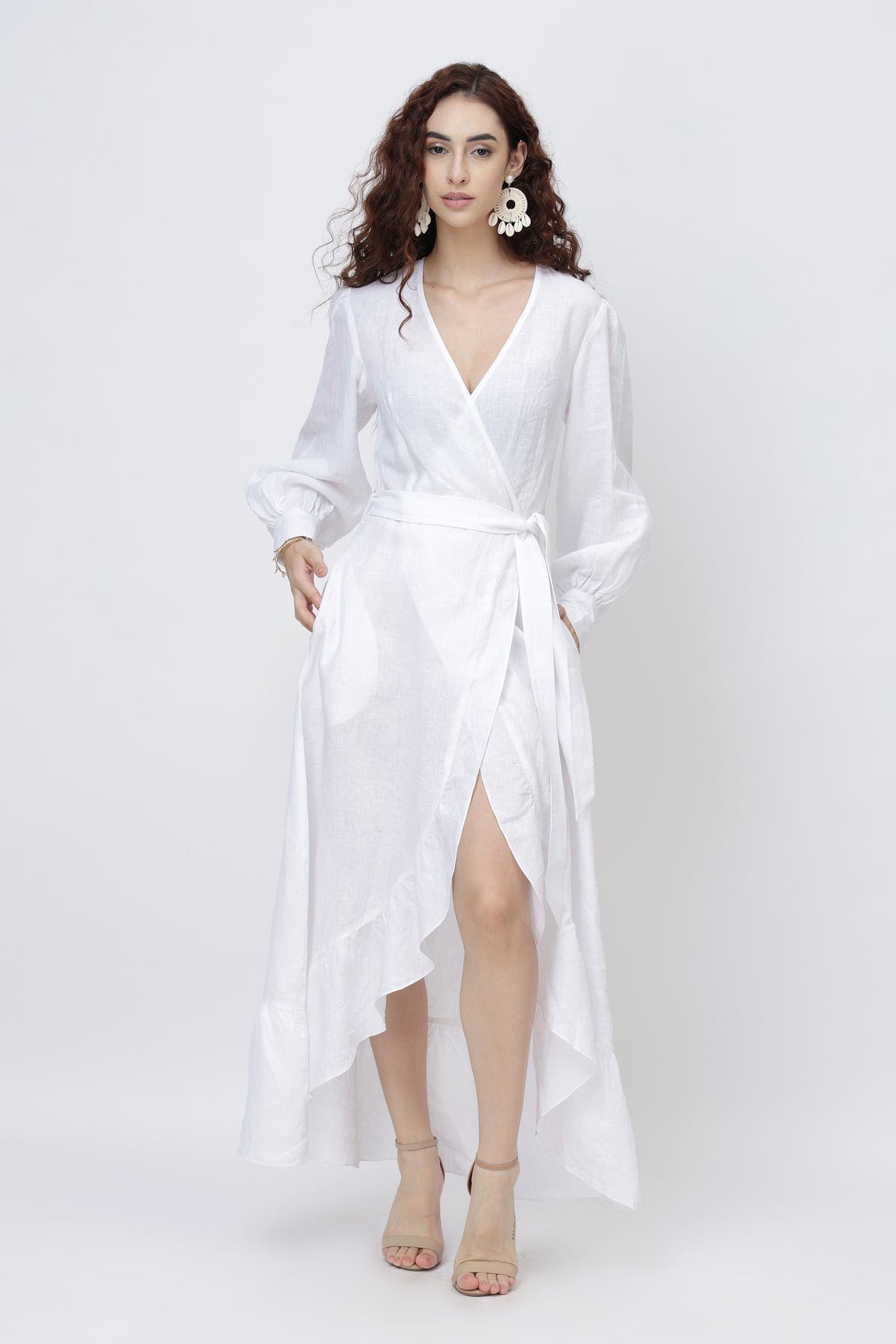
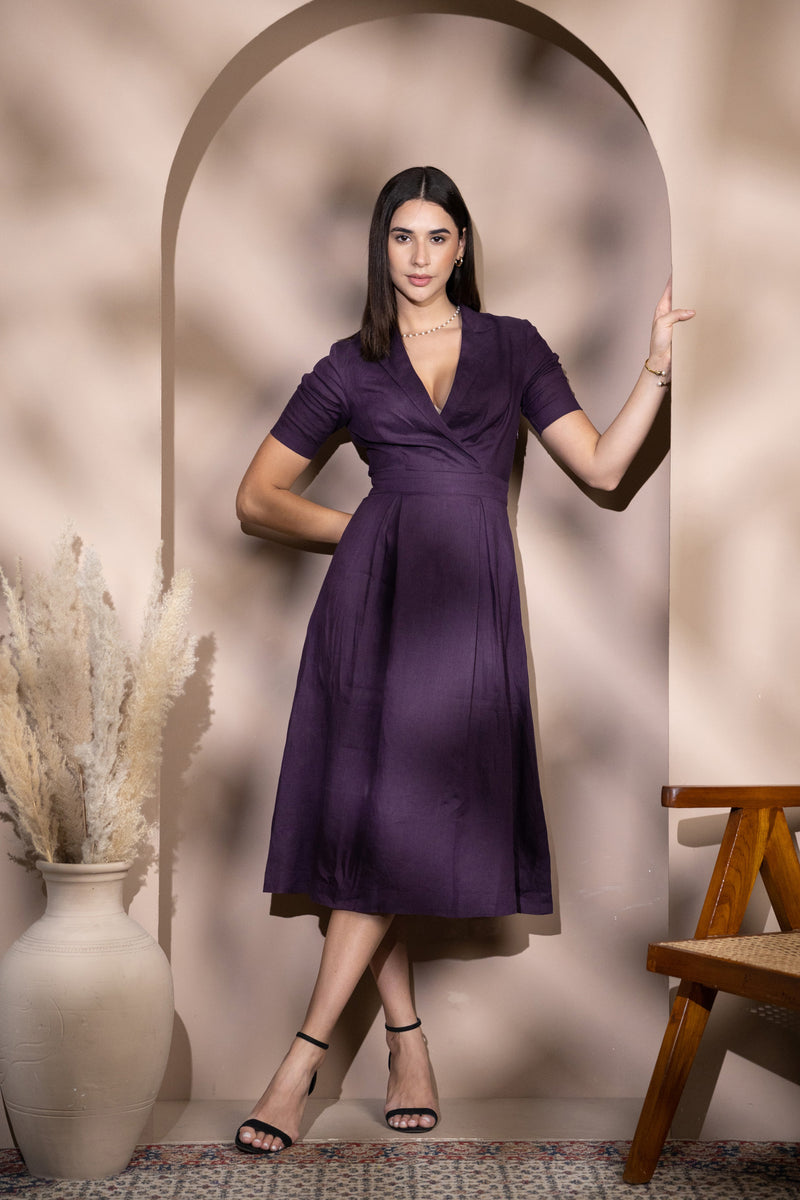
And when you choose a Kuttons linen dress, you’re not just wearing a piece of clothing — you’re wearing a story that started in the soil, was made with care, and was designed to last.






0 comments