
- Regular Price
- $19.99
- Sale Price
- $19.99
- Regular Price
- $19.99
Sold Out
- Unit Price
- per

Choosing the right outfit isn’t just about colour, trends, or patterns — fit matters most. The perfect fit makes a woman feel confident, comfortable, and elegant without trying too hard. Whether dressing for work, weekends, events, or travel, understanding how women’s clothes should fit is the secret to effortless style.
This guide breaks down simple rules to help you find clothing that complements your natural shape, moves with you, and makes you feel your best every day.
Two women can wear the same size and still need completely different fits. That’s because:
Every body is unique
Fabrics behave differently
Cuts and silhouettes create different effects
A well-fitted outfit doesn’t dig, pull, or require constant adjustment. It feels like a part of you — flattering, freeing, and confidence-boosting.
If you often size up or down randomly depending on brands, it may be helpful to explore a size & fit guide before shopping
Your shoulders are the anchor of most clothing.
For blouses, dresses, and jackets, the seam should sit exactly where your shoulder ends — not hanging off, not pulling inward. When the shoulder fits, the whole garment instantly looks more tailored.
Clothing should skim your shape without stretching across the chest.
Signs of a poor fit: buttons pulling apart, deep wrinkles, or fabric straining. For women with a fuller bust, darts and paneling help clothes fall smoothly.
The waist is where elegance becomes effortless.
A good fit means:
No squeezing
No extra fabric bunching
Comfortable movement when sitting
Adjustable waistlines, belts, and subtle pleats can also enhance comfort and shape.
For trousers, skirts, and straight dresses, the fabric should drape over the hips without stretching or ballooning.
Tip: If you struggle between hip and waist sizes, prioritise hip comfort and tailor the waist — it makes a world of difference.
Getting the length right can completely transform an outfit:
Dresses: should hit where you feel most confident (above knee, midi, ankle)
Sleeves: should end at the wrist bone for long sleeves; mid-bicep for short sleeves
Pants: should graze the top of your foot or sit just above the ankle for a modern cut

The best fit isn’t only about measurements — fabric plays a big role.
For example:
Breathable fabrics like linen and cotton shape naturally with the body
Knits and jerseys provide stretch and flexibility
Structured fabrics give a sharpened, polished look
Understanding fabrics also helps you shop smarter.
Office wear should make women feel confident without sacrificing comfort.
Whether you like dresses, separates, or layering pieces, look for:
Soft tailoring
Balanced silhouettes
Breathable fabrics for long hours
Fits that allow natural movement
You can walk, sit, and stretch without fidgeting
The garment flatters your natural shape without squeezing
There is no pulling, digging, or constant adjusting
You feel confident, relaxed, and yourself
When clothing has the right fit, you don’t just look good — you feel at ease in your own body.

Here are practical steps every woman can use:
|
Smart Fit Habit |
Why It Helps |
|
Know your key measurements |
Reduces guessing between sizes |
|
Check size charts |
Each brand varies |
|
Read fabric details |
Helps anticipate stretch, drape & comfort |
|
Prioritise comfort |
Confidence always looks stylish |
|
Tailor when needed |
Small adjustments = big improvement |
Great fashion starts with great fit.
When women understand their bodies, fabrics, and silhouettes, finding the right outfit becomes effortless. The goal is never to squeeze into trends — it’s to wear clothing that supports your lifestyle, your movement, and your confidence.
Clothes should allow full movement without pulling or digging. Breathable fabrics and relaxed silhouettes create comfort without sacrificing style.
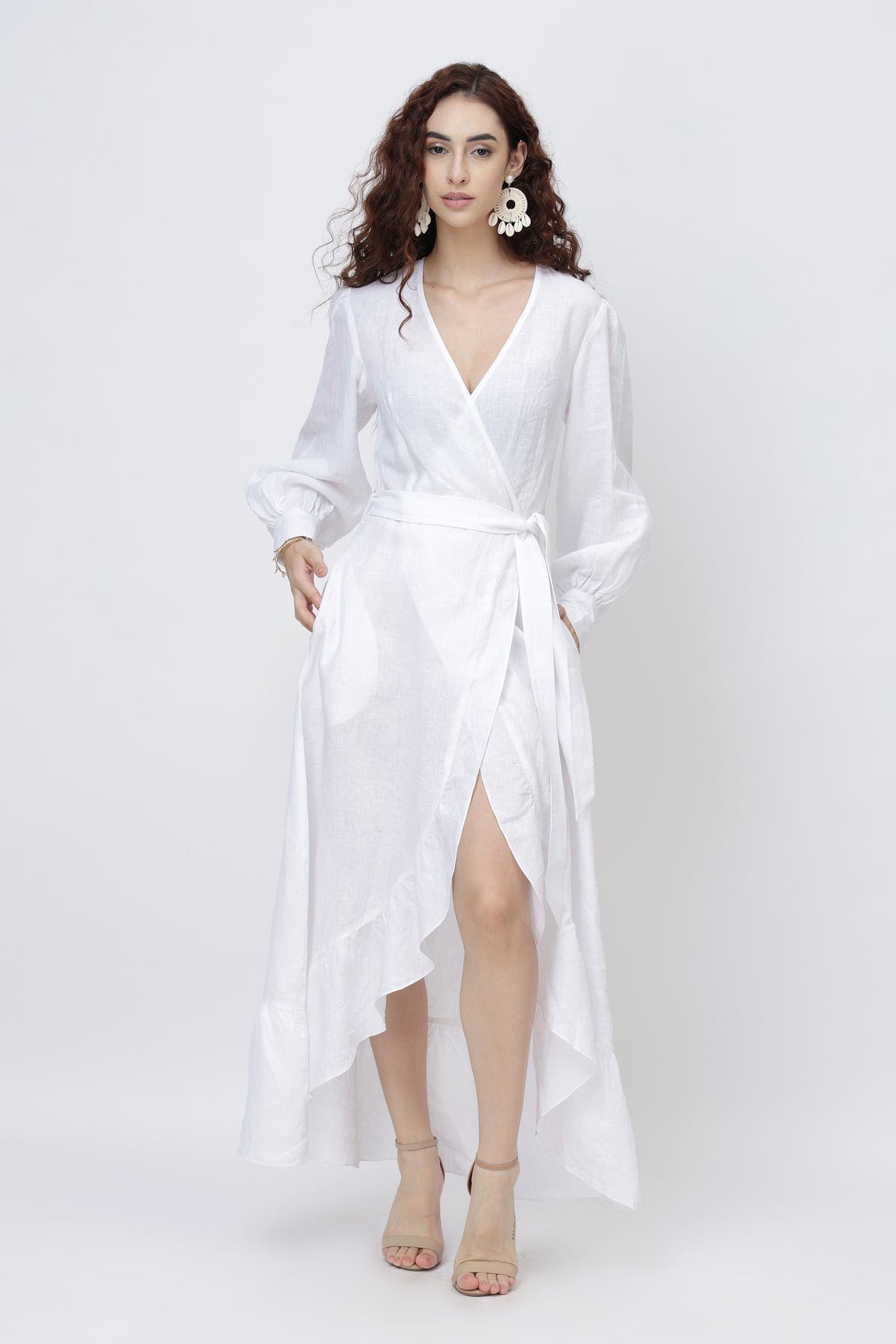
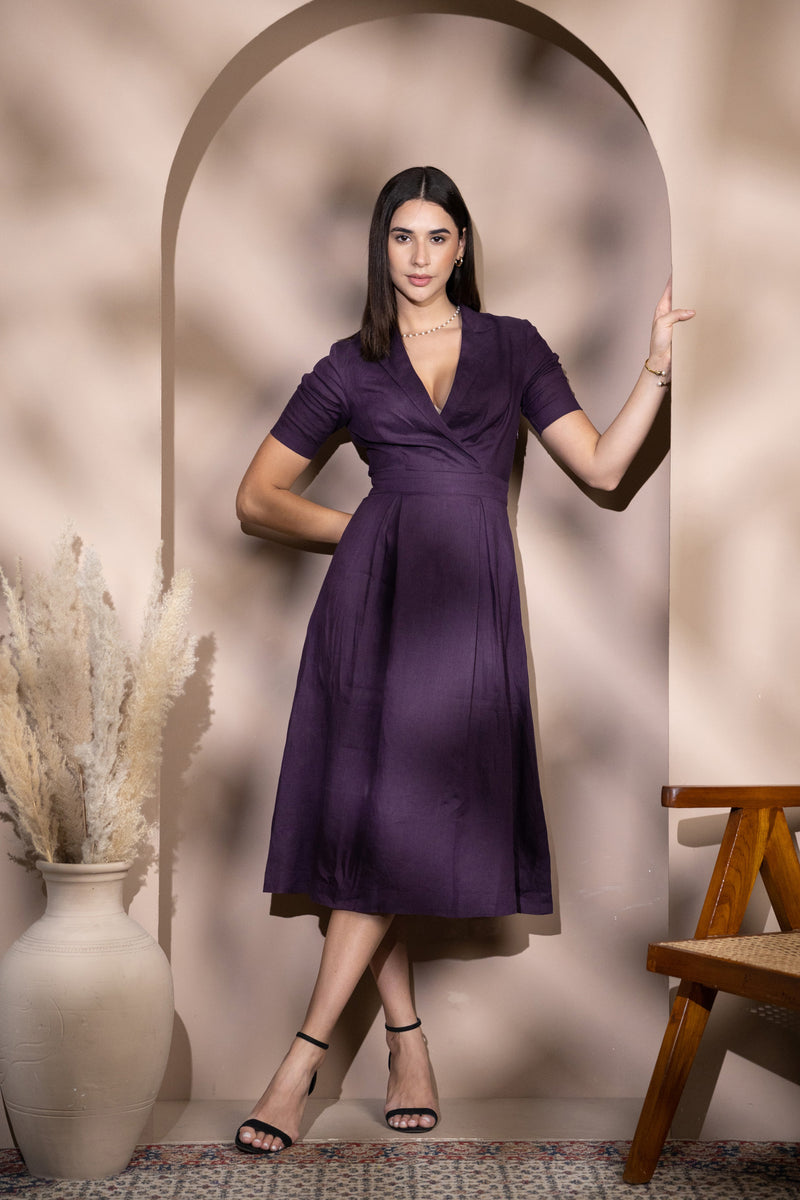
A dress that skims the body, defines the waist, and rests smoothly over the hips creates a universally flattering shape — whether A-line, wrap, or straight.
If the waist fits but the hips or bust don’t, size up and tailor. Tailoring small areas often makes clothing look custom-made.
Yes. Certain fabrics mold to the body (linen, cotton), while structured fabrics create sharp silhouettes. Checking fabric composition helps predict fit and comfort.
Know your measurements, understand your preferred silhouettes, and prioritise comfort and confidence over size numbers.






0 comments