
- Regular Price
- $19.99
- Sale Price
- $19.99
- Regular Price
- $19.99
Sold Out
- Unit Price
- per

Over the past decade, the fashion industry has experienced a major shift. Instead of constantly chasing new trends, many consumers are beginning to rethink how and why they buy clothing. In particular, American women are increasingly choosing slow fashion — a movement that emphasizes quality, sustainability, and thoughtful purchasing over mass production and disposable trends.
Searches for terms like women clothing online USA, sustainable fashion for women, and ethical clothing brands have grown significantly as shoppers become more aware of how garments are made and how long they actually last. Rather than filling their wardrobes with short-lived fast fashion items, many women in the United States are looking for pieces that offer durability, comfort, and timeless style.
This shift represents more than a fashion trend; it reflects changing values around sustainability, personal style, and responsible consumption. Just as clothing once reflected cultural moments such as the era of American Revolution—which influenced early American Revolution women's clothing styles—today’s clothing choices increasingly reflect modern ideals of environmental responsibility and conscious living.
In this guide, we will explore why more American women are choosing slow fashion, how it differs from fast fashion, and how thoughtful brands are responding to this growing movement.
Slow fashion is an approach to clothing production and consumption that prioritizes quality, sustainability, and ethical manufacturing. The term is often discussed alongside Sustainable fashion, which focuses on reducing the environmental and social impact of the fashion industry.
Instead of producing large volumes of inexpensive clothing designed to be worn only a few times, slow fashion encourages:
Fewer but higher-quality garments
Durable fabrics and craftsmanship
Timeless designs rather than seasonal trends
Transparent and responsible production practices
For many American consumers, slow fashion offers a refreshing alternative to the high-speed cycle of mass-market clothing.
For years, fast fashion dominated the clothing market. Large retailers produced new collections every few weeks, encouraging shoppers to buy frequently and discard garments quickly.
However, awareness about the environmental and social costs of this system has grown. Research into the global Textile industry has revealed issues such as:
Massive textile waste
High water consumption
Chemical pollution
Poor working conditions in some supply chains
These concerns have encouraged many American women to reconsider how they shop for clothing.
Instead of searching for the cheapest option, shoppers are increasingly asking:
Who made this garment?
How long will it last?
What materials were used?
Does this piece fit into a long-term wardrobe?
These questions lie at the heart of the slow fashion movement.

One major factor behind the popularity of slow fashion is the rise of conscious consumerism.
Many women in the United States now prioritize:
Sustainability
Ethical sourcing
Natural fabrics
Long-term wardrobe value
Online search behavior reflects this shift. Queries like women clothing online USA, sustainable clothing for women, and ethical fashion brands continue to grow as shoppers seek alternatives to fast fashion.
Consumers are also becoming more selective about where they shop. Instead of buying from large mass retailers, they are increasingly interested in independent brands that focus on craftsmanship and thoughtful design.
This change is especially visible in the growing popularity of clothing made from natural materials such as linen and organic cotton.
Another reason slow fashion appeals to American women is the growing interest in natural fabrics.
Many consumers are moving away from synthetic materials and choosing breathable, plant-based textiles instead.
For example, linen is made from the Flax plant and has been used for centuries because of its durability and comfort. Linen garments are known for:
Breathability
Moisture-wicking properties
Natural texture
Long lifespan
These characteristics make linen particularly appealing for women who want clothing that feels comfortable while also aligning with sustainability values.

The growth of women clothing online USA has also helped accelerate the slow fashion movement.
Online platforms allow shoppers to:
Discover smaller, independent brands
Research fabric quality and sourcing
Read detailed product descriptions
Learn about brand values and production methods
This transparency gives customers more confidence in their purchasing decisions.
One of the key ideas behind slow fashion is that buying fewer garments of higher quality often leads to a better wardrobe overall.
High-quality clothing offers several advantages:
Greater durability
Better fabric performance
Improved comfort
Timeless appearance
Instead of purchasing five inexpensive items that wear out quickly, many women now prefer to invest in one well-made garment that lasts for years.
This mindset encourages thoughtful wardrobe building and reduces unnecessary consumption.
The slow fashion movement is also closely connected to the concept of capsule wardrobes.
A capsule wardrobe focuses on a small collection of versatile garments that can be mixed and matched easily. Neutral colors, simple silhouettes, and durable fabrics make it possible to create many outfits from a limited number of pieces.
Many American women are adopting this approach because it simplifies daily dressing and reduces clutter.
Natural fabrics like linen work especially well in capsule wardrobes because their textures and neutral tones blend easily with other garments.

Social media platforms such as Instagram and Pinterest have played a significant role in popularizing slow fashion.
Instead of highlighting fast-changing trends, many creators now focus on:
Outfit repetition
Sustainable wardrobe building
Natural fabrics and textures
Minimalist styling
On Instagram, brands often share:
Behind-the-scenes views of garment production
Close-up shots of fabric texture
Lifestyle photography featuring timeless outfits
Pinterest, meanwhile, acts as a visual discovery platform where users search for ideas related to sustainable wardrobes, natural fabrics, and timeless styling.
For fashion brands, sharing thoughtful content on these platforms helps communicate authenticity and craftsmanship.
Today’s consumers are increasingly motivated by values rather than trends.
For many American women, slow fashion represents:
Respect for craftsmanship
Environmental awareness
Long-term wardrobe planning
Personal style over mass trends
Clothing is no longer viewed simply as a disposable product. Instead, it becomes part of a lifestyle that emphasizes quality and intention.
For women exploring alternatives to fast fashion, discovering brands that prioritize natural fabrics and thoughtful design can be an exciting experience.
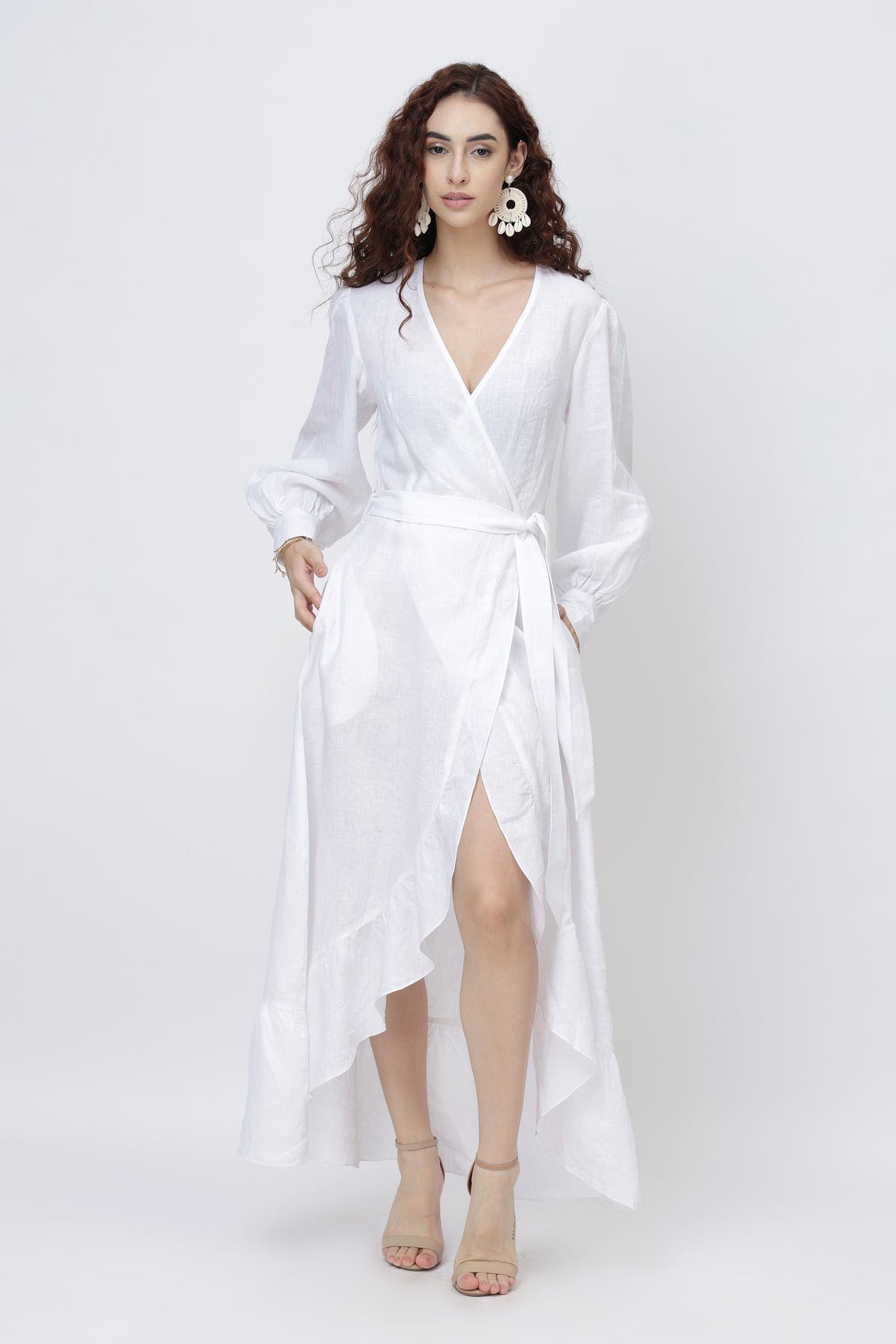
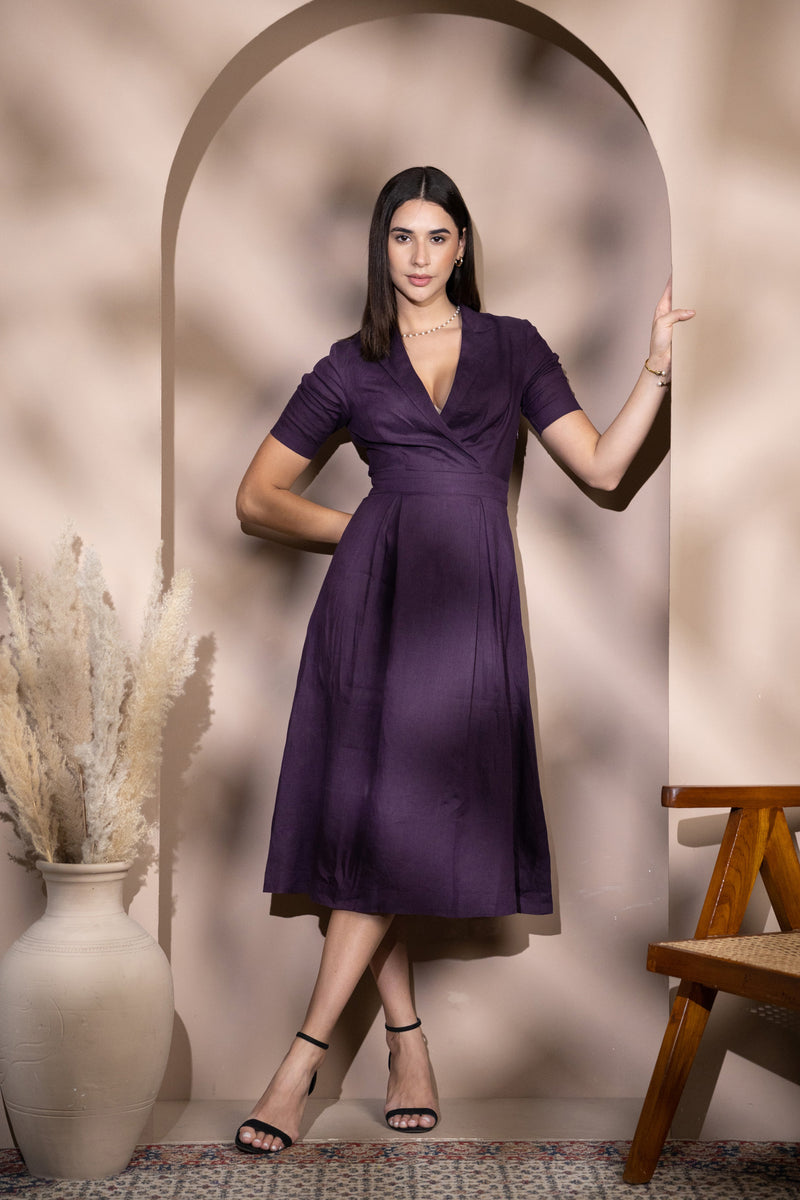
At Kuttons, our collections focus on breathable linen garments designed for comfort, elegance, and durability. We believe clothing should feel effortless to wear while also reflecting a commitment to craftsmanship and quality.
Visitors interested in learning more about our philosophy can explore the About Us page on the Kuttons website, where we share the inspiration behind our designs and the story behind our natural fabrics.
Readers can also browse our clothing collection page to discover timeless linen pieces designed for everyday wear.
To see how our garments are styled in real life, many customers enjoy exploring our visual inspiration on Instagram and Pinterest, where we share seasonal looks, styling ideas, and behind-the-scenes glimpses into the design process.

The shift toward slow fashion shows no signs of slowing down.
As awareness grows about sustainability, fabric quality, and responsible production, more consumers are choosing clothing that aligns with their values.
This change represents a broader cultural shift in how fashion is viewed. Instead of constant consumption, the focus is moving toward intentional wardrobes built around quality pieces that last.
Brands that embrace this philosophy are likely to play an increasingly important role in shaping the future of fashion.
Slow fashion is an approach to clothing that emphasizes quality, sustainability, and ethical production rather than mass manufacturing and rapid trends.
Many women in the United States are becoming more aware of environmental issues and textile waste, leading them to choose durable garments made from natural fabrics.
Natural fabrics such as linen, organic cotton, wool, and silk are commonly used because they are breathable, durable, and biodegradable.
Slow fashion garments can sometimes cost more initially, but they often last much longer than fast fashion items, making them more cost-effective over time.
Start by focusing on high-quality essentials made from natural fabrics, choosing timeless styles, and purchasing fewer garments that you can wear for many seasons.
The growing popularity of slow fashion reflects a powerful change in how American women think about clothing.
Instead of chasing rapidly changing trends, many shoppers now prioritize quality, sustainability, and personal style. By investing in well-made garments crafted from natural fabrics, they are building wardrobes that feel both timeless and responsible.
As the fashion industry continues to evolve, slow fashion offers a path toward a more thoughtful relationship with clothing—one that values craftsmanship, longevity, and mindful consumption






0 comments